
Neighbouring Rights Performances
Neighbouring rights involve compensating creators for public performances of their recorded works, supporting musicians, performers, and the recording industry by providing income from public use.
Background music in public places
Restaurants, bars, retail stores, and other public establishments that play recorded music for their customers may need licenses to perform those sound recordings publicly. This includes background music and jukeboxes.

Broadcasting music
When a radio station or TV network plays a recorded song, the performers and producers of the recording have the right to receive royalties or other compensation for using their work.

Theatres and cinemas
When movies or theatrical performances feature a recorded song, this is also considered a public performance. The right to use the sound recording in this context must be licensed, and the performers and producers are compensated for this usage.
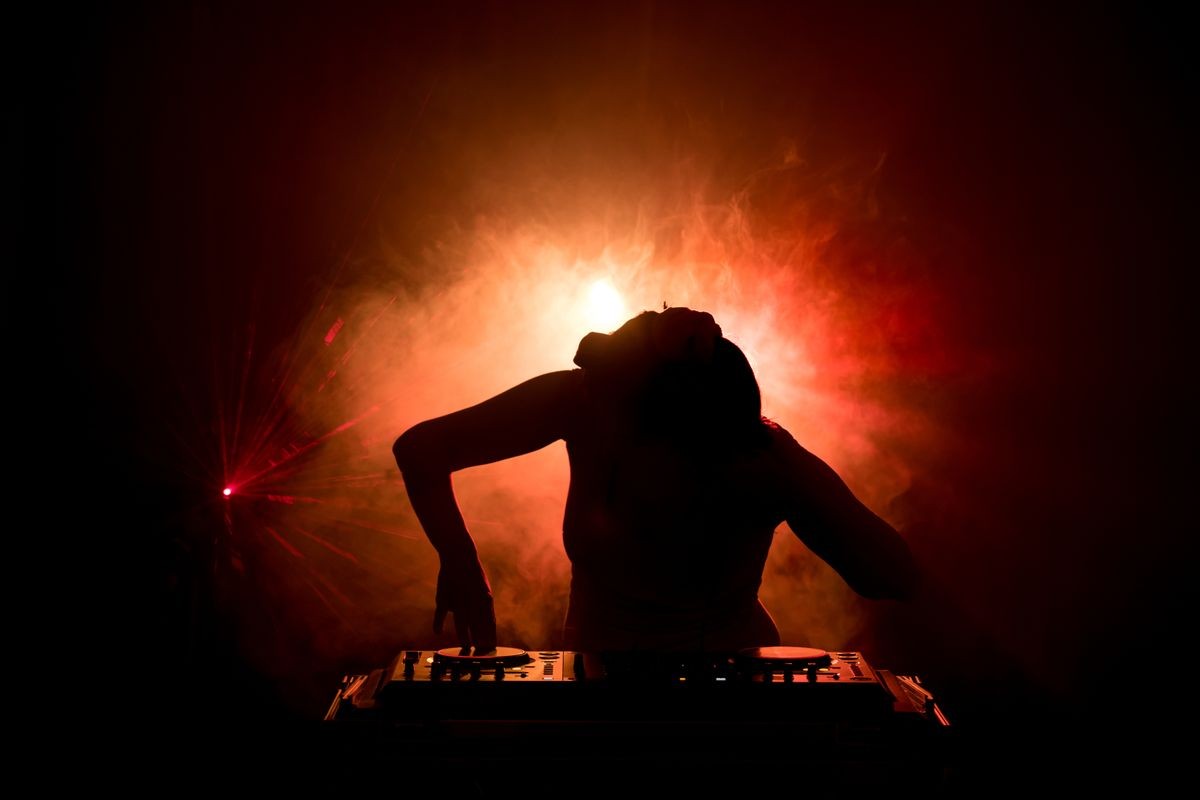
Nightclubs and DJs
Clubs and DJs playing recorded music in venues for patrons to dance to are also required to secure licenses for the public performance of sound recordings.
Public events and festivals
Music festivals, fairs, and public gatherings that feature recorded music performances must obtain licenses to perform the music publicly. This applies to recorded music played over sound systems.
Elevator music
Even the music played in elevators, often pre-recorded, is subject to public performance rights. The building or business responsible for playing this music may need to obtain licenses.

Streaming
Neighbouring rights are commonly linked to radio/TV broadcast royalties, while record labels usually control streaming income. Yet, many neighbouring rights collectives, particularly artists-only ones, have successfully advocated for artists to receive streaming royalties directly.
Several countries, including Belgium, Spain, Hungary, and Brazil, follow this model.
Private Copy
Cable Retransmission
Neighbouring rights collection societies remunerate cable retransmission because it involves rebroadcasting content, such as TV shows and music, over cable networks, constituting a public communication or rebroadcasting of performances and broadcasts originally protected under neighbouring rights.
We use strictly necessary cookies to ensure this website functions properly and securely. See our Cookie Policy for more information.